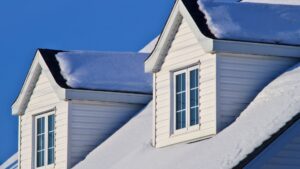

Michigan winters are harsh, with heavy snowfall, ice, freezing rain, and fluctuating temperatures. These conditions put a tremendous strain on roofs, leading to leaks that
Your roof is one of the most critical components of your home, protecting you and your family from the elements year-round. Over time, wear and tear, weather damage, and other factors may necessitate repairs to ensure your roof remains in optimal condition. When faced with the need for roof repairs, homeowners often find themselves debating whether to tackle the job themselves or hire a professional roofing contractor. While both options have their merits, there are several factors to consider before making a decision. Let’s break down the difference between DIY vs professional roof repairs.
DIY Roof Repairs:
Pros:
Cons:
Professional Roof Repairs:
Pros:
Cons:
In conclusion, the decision between DIY and professional roof repairs depends on various factors, including the complexity of the repairs, your level of experience and expertise, safety considerations, and budget constraints. While DIY repairs may offer cost savings and convenience for some homeowners, they also carry inherent risks and limitations. Professional roof repairs ensure quality workmanship, safety compliance, and peace of mind, albeit at a higher cost. Ultimately, homeowners should carefully weigh the pros and cons of each option and choose the approach that best meets their needs and circumstances. Whether opting for DIY repairs or hiring a professional contractor, prioritizing the long-term health and integrity of your roof is essential for protecting your home and ensuring its longevity.

Michigan winters are harsh, with heavy snowfall, ice, freezing rain, and fluctuating temperatures. These conditions put a tremendous strain on roofs, leading to leaks that

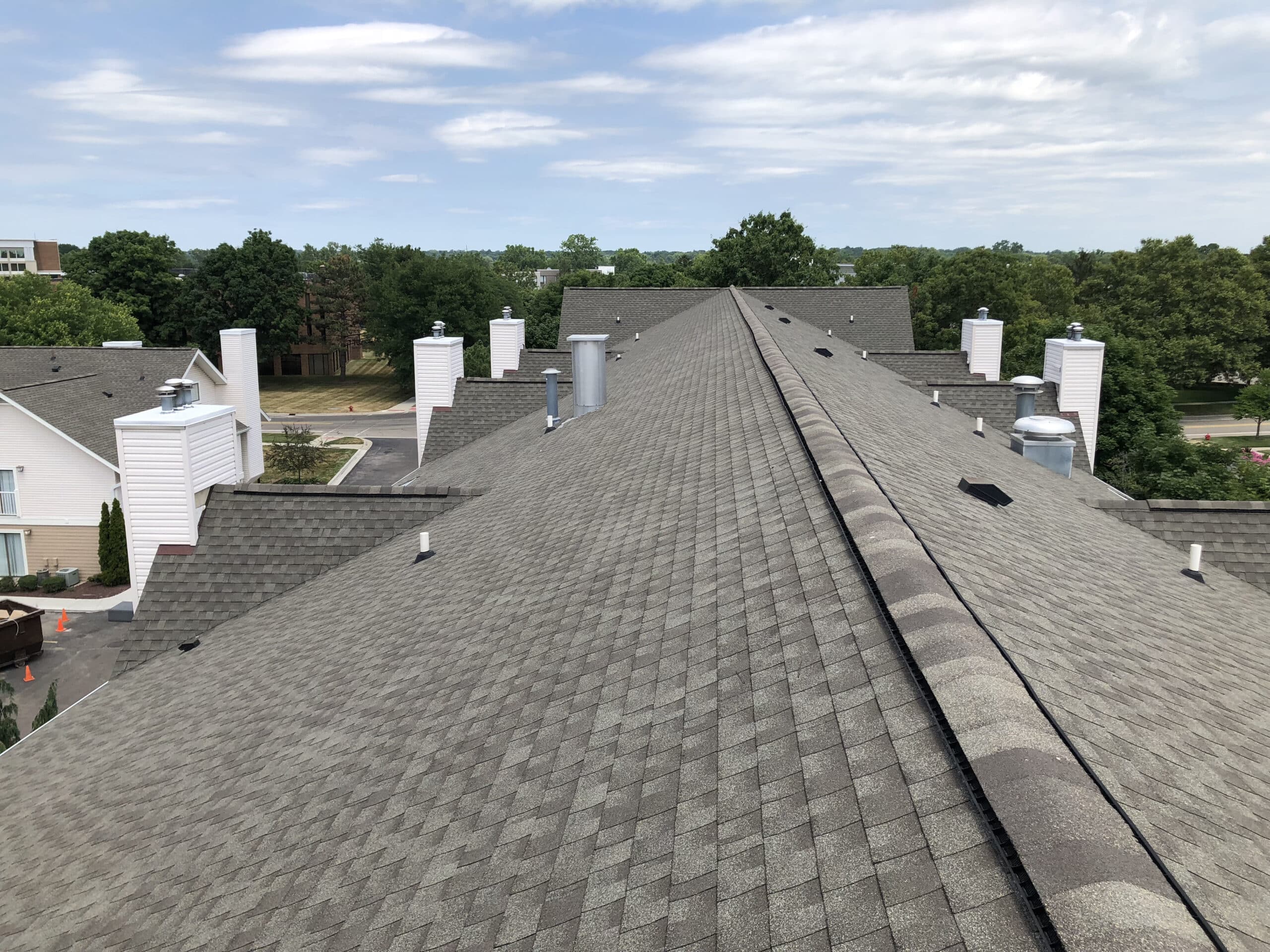
Michigan winters are unforgiving. Heavy snow, ice accumulation, freezing temperatures, and constant freeze-thaw cycles place extreme stress on roofing systems. For many homeowners, winter exposes

Michigan winters are known for heavy snowfall, frigid temperatures, and freeze-thaw cycles that push residential roofing materials to their limits. Among the most common cold-season
A roof is one of the most important structural components of any home, yet it often receives the least attentionโuntil something goes wrong. In Michigan,
"*" indicates required fields