Michigan winters are unforgiving. Heavy snow, ice accumulation, freezing temperatures, and constant freeze-thaw cycles place extreme stress on roofing systems. For many homeowners, winter exposes roof weaknesses that have been building for years. Unfortunately, when those weaknesses go unnoticed, the result can be leaks, interior damage, or even structural failure during the coldest months of the year.
That is why scheduling roof inspection is one of the smartest steps you can take before next winter sets in. A professional roof inspection identifies vulnerabilities early, helping you avoid costly emergency repairs when conditions are at their worst.
In this article, we will explore the most common warning signs your roof needs repair before next winter and why a roof inspection might be essential for protecting your home.
Why Michigan Winters Are So Hard on Roofs
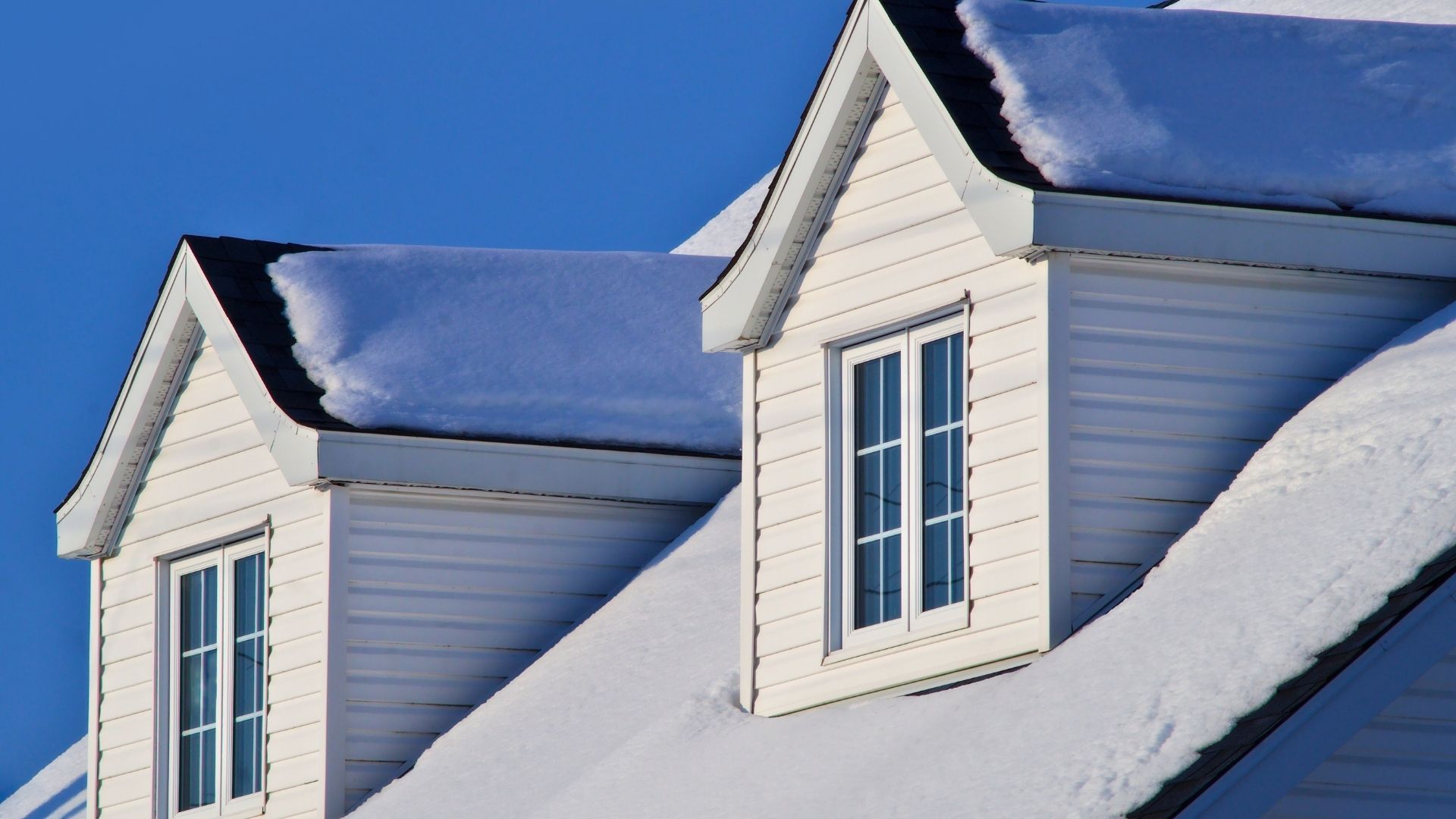
Michigan’s climate is uniquely challenging for roofing systems. Snow loads, ice dams, fluctuating temperatures, and winter storms all work together to weaken roofs over time. Without routine maintenance, small issues can quickly become major problems.
Key winter threats include:
- Heavy snow accumulation
- Ice dam formation
- Freeze-thaw expansion
- High winter winds
- Hidden moisture intrusion
Sign #1: Curling or Missing Shingles
One of the clearest signs your roof may struggle through winter is curling, cracked, or missing shingles. Shingles that are no longer lying flat are vulnerable to wind uplift and moisture intrusion.
During a roof inspection, roofing professionals look for:
- Shingle edges lifting
- Cracks caused by temperature changes
- Missing shingles from wind damage
These issues worsen during winter when snow and ice force water beneath the shingles. Without a proper roof inspection, this damage often goes unnoticed until leaks appear inside the home.
Sign #2: Granules in Gutters or Downspouts
If you notice excessive shingle granules collecting in your gutters, it may indicate your roof is nearing the end of its lifespan. Granules protect shingles from UV exposure and weather damage. When they wear away, shingles become brittle and prone to cracking.
Sign #3: Ice Dams Forming Along the Roof Edge
Ice dams are a major warning sign of roof and insulation problems. They form when heat escapes through the attic, melting snow on the roof that then refreezes at the eaves.
A roof inspection helps identify:
- Poor attic ventilation
- Inadequate insulation
- Roof slope vulnerabilities
Ice dams trap water on your roof, forcing it under shingles and into your home. If ice dams appear every winter, your roof may not survive another season without intervention.
Sign #4: Interior Water Stains or Leaks
Water stains on ceilings or walls are often the result of roof damage that becomes obvious during winter. Snowmelt can seep through even small openings, causing damage long before dripping water is visible..
Sign #5: Sagging Rooflines
A sagging roofline is a serious structural concern. It often indicates underlying issues such as:
- Water-damaged decking
- Excessive snow load stress
- Structural deterioration
Sign #6: Flashing Damage Around Chimneys and Vents
Flashing protects vulnerable roof penetrations, including chimneys, skylights, and vents. Damaged or improperly sealed flashing allows water to enter during snowmelt.
Sign #7: Roof Age and Previous Repairs
Age matters when it comes to winter survival. Asphalt shingle roofs typically last 20–30 years, but Michigan’s climate can shorten that lifespan. Older roofs with multiple patch repairs are far more likely to fail under winter stress.
Why a Michigan Roof Inspection Brighton Is Critical Before Winter
Many winter roof failures occur because problems were present but unnoticed. A professional roof inspection identifies risks before they become emergencies.
Benefits of scheduling a roof inspection include:
- Early detection of vulnerabilities
- Preventative repair recommendations
- Peace of mind during winter storms
- Reduced risk of emergency repairs
Insurance companies may also require inspection documentation when winter damage occurs.
How Snow and Ice Accelerate Roof Failure
Snow may look harmless, but it adds significant weight to your roof. When combined with ice buildup, that weight can exceed design limits—especially on aging roofs.
The Role of Attic Ventilation and Insulation
Many winter roof problems originate in the attic. Poor ventilation causes heat buildup, leading to ice dams and condensation. Correcting these issues can extend roof life and improve winter performance.
Commercial Roofs Face Similar Risks
Commercial buildings are not immune to winter roof damage. Flat and low-slope roofs are especially vulnerable to snow accumulation and ponding water.
Preventative Maintenance vs. Emergency Repairs
Preventative maintenance is far less expensive than emergency winter repairs. Scheduling a roof inspection allows homeowners to address small issues on their schedule instead of reacting to leaks during a blizzard.
When Roof Replacement Becomes the Best Option
Sometimes repairs are no longer enough. If you get a roof inspection and it reveals widespread damage, replacement may be the safest long-term solution.
Replacing a roof before winter:
- Prevents snow-related failures
- Improves energy efficiency
- Increases home value
- Reduces insurance complications
Final Thoughts
Michigan winters expose roof weaknesses like no other season. Curling shingles, ice dams, interior leaks, and structural sagging are all signs your roof may not survive another winter without professional attention.
Scheduling a roof inspection provides clarity, confidence, and protection before snow and ice take their toll. Proactive homeowners save money, avoid stress, and extend the life of their roofs by acting early.
Need a Roof Inspection?
If you’re concerned about how your roof will perform this winter, don’t wait for the first snowfall. Schedule a professional roof inspection with On Top Roofing today.