Michigan winters are known for heavy snowfall, frigid temperatures, and freeze-thaw cycles that push residential roofing materials to their limits. Among the most common cold-season threats is Michigan frost roof damage, a roofing issue that can emerge quietly but lead to major repair costs if ignored. Many homeowners assume frost on a roof is harmless, but repeated freezing, thawing, and moisture accumulation can create structural concerns that worsen throughout the winter.
This comprehensive guide explains exactly what causes Michigan frost roof damage, how to identify it, and the professional repair and prevention solutions that protect your home long-term.
Because winter weather patterns in the Great Lakes region are especially harsh, every homeowner should understand the risks tied to Michigan frost roof damage—not only to maintain their home’s integrity, but to prevent expensive, avoidable repair work later in the season.
Understanding Frost Formation and Why It Damages Roofs
To fully understand Michigan frost roof damage, you need to know how frost forms and how winter conditions interact with roofing structures.
How Frost Forms on Michigan Roofs
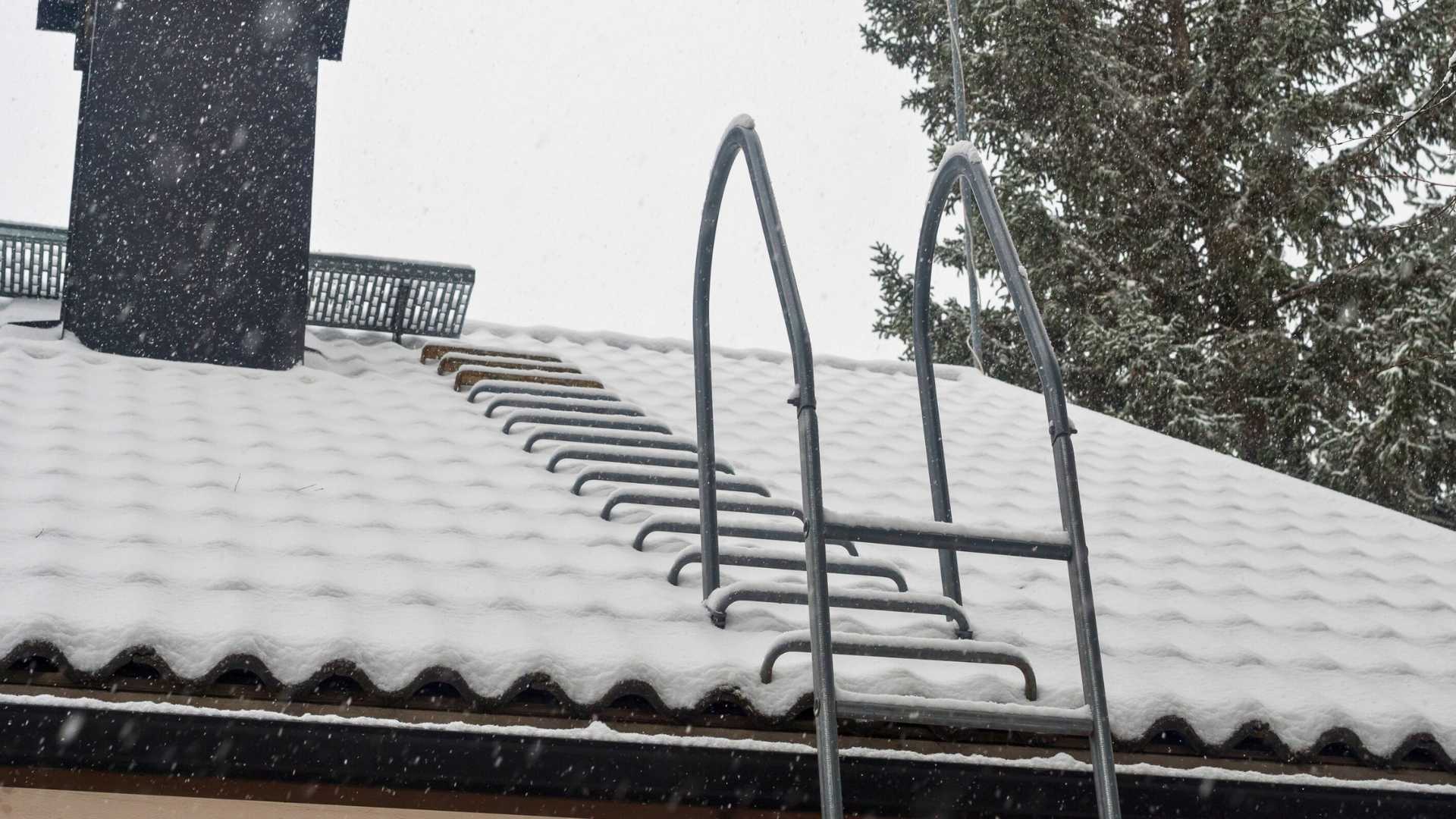
Frost develops when moisture in the air condenses and freezes on surfaces colder than the surrounding environment. Michigan’s fluctuating winter temperatures—often moving above and below freezing in the same 24-hour period—create ideal conditions for frost buildup.
Frost itself is not harmful. The issue arises from what happens next.
Freeze-Thaw Cycles and Roofing Stress
The most destructive aspect of Michigan frost roof damage comes from freeze-thaw cycles.
When melted frost penetrates small gaps in shingles, decking, or flashing, the next freeze causes that moisture to expand. This expansion widens the gaps, loosens materials, and creates future entry points for water. Over time, this process can lead to:
- Shingle cracking
- Granule loss
- Decking damage
- Water intrusion
- Support structure deterioration
Roofing materials, especially older ones, struggle to withstand repeated expansion and contraction. This is why Michigan frost roof damage can accelerate aging on roofs that seemed stable just months prior.
Why Michigan Homes Are More Vulnerable
Michigan’s weather patterns create a trifecta of conditions that increase frost-related risk:
- Temperature swings: Michigan can shift from 10°F to 35°F in a single day.
- High moisture levels: Snowfall, freezing rain, and humidity feed frost formation.
- Heavy snowpack: Thick snow layers trap cold air against the roof and slow melting, which encourages ongoing cycles that cause Michigan frost roof damage.
Homes with inadequate ventilation or older shingles experience this stress more intensely.
Common Causes of Michigan Frost Roof Damage
Although frost itself is part of nature, underlying roof conditions often determine how much damage occurs. Several key factors contribute to the severity of Michigan frost roof damage.
1. Insufficient Roof Ventilation
Improper ventilation traps warm air within the attic. When warm interior air meets a cold roof surface, condensation forms and freezes. Over the season, this contributes significantly to Michigan frost roof damage.
Ventilation-related issues include:
- Ice crystals forming under shingles
- Moisture accumulation in decking
- Mold development in attic spaces
Proper air circulation prevents warm-air buildup and minimizes frost formation.
2. Aging or Weakened Shingles
Old shingles are more brittle and porous, making them highly susceptible to Michigan frost roof damage. As frost melts and refreezes, weakened shingles lose granules and crack more easily.
3. Poor Roof Pitch or Drainage
Low-slope roofs allow frost meltwater to sit longer before draining. This prolonged contact increases freeze-thaw stress and leads to structural and material deterioration.
4. Existing Small Leaks or Gaps
Minor vulnerabilities in flashing, sealant, or shingle placement create opportunities for frost to settle directly inside roofing layers, making Michigan frost roof damage far more severe.
5. Excess Snow Accumulation
Excess snow acts like a blanket that keeps temperatures low against the roof surface. Rather than melting quickly, frost remains and undergoes repeat cycles that amplify Michigan frost roof damage.
Early Warning Signs of Michigan Frost Roof Damage
Frost-related roofing deterioration often begins unnoticed. But early intervention can save thousands in repairs and prevent full roof replacement.
Below are the primary warning signs that your home may be experiencing Michigan frost roof damage.
1. Interior Moisture Stains
If discolored patches appear on ceilings or walls—especially during mid-winter—it may indicate frost meltwater entering through roof vulnerabilities.
2. Shingle Granules in Gutters
When shingles experience Michigan frost roof damage, granule loss increases. A noticeable rise in granules inside gutters means your shingles are deteriorating faster than normal.
3. Lifting or Curling Shingles
Freeze-thaw cycles cause shingles to expand, contract, and eventually lift along the edges—an early sign of material stress.
4. Visible Cracks, Splits, or Bald Spots
A roof inspection may reveal physical wear correlated with Michigan frost roof damage, including cracking or exposed asphalt under the surface granules.
5. Ice Crystals in the Attic
If frost appears on rafters, insulation, or decking, this is a major red flag that interior condensation is contributing to Michigan frost roof damage.
6. Roof Decking Sagging or Soft Spots
Structural concerns are among the most severe outcomes of longtime freeze-thaw cycles.
Michigan Frost Roof Damage: Short-Term and Long-Term Risks
Short-term problems can quickly escalate into major structural failures if Michigan frost roof damage is not addressed properly.
Short-Term Risks
- Loosened shingles
- Minor leaks
- Attic condensation
- Reduced insulation performance
Long-Term Risks
- Mold and mildew growth
- Widespread wood rot
- Interior structural damage
- Complete roof failure
Because frost damage compounds over multiple winters, Michigan homeowners should treat Michigan frost roof damage as a long-term threat requiring professional evaluation and prevention.
Effective Solutions for Michigan Frost Roof Damage
Homeowners can take steps to mitigate frost-related deterioration, but professional roofing intervention is often required for severe cases.
1. Roof Inspections
A winter or pre-winter inspection helps identify early signs of Michigan frost roof damage before they escalate. Professional roofers can spot vulnerabilities invisible to homeowners.
2. Improved Ventilation
Upgrading attic ventilation systems helps regulate temperature, reduce condensation, and significantly decrease frost formation.
3. Shingle Replacement or Repair
Replacing compromised shingles early prevents frost from exploiting weak spots and worsening the damage.
4. Flashing Upgrades
Flashing around chimneys, vents, and valleys should be inspected in winter to ensure it is sealed and frost-resistant.
5. Ice and Water Shield Installation
High-risk areas—such as roof valleys—greatly benefit from ice and water barriers that protect against Michigan frost roof damage caused by frost melt penetration.
6. Insulation Enhancements
Proper insulation maintains stable attic temperatures, which reduces condensation and frost accumulation.
7. Roof Replacement
If Michigan frost roof damage is severe and the roof is already nearing the end of its lifespan, replacement may be the most cost-effective long-term solution.
For more information about how winter weather affects roofing materials, the National Roofing Contractors Association provides helpful resources.
Preventing Michigan Frost Roof Damage in Future Winters
Prevention is the most affordable and effective strategy for protecting your home from Michigan frost roof damage. Michigan homeowners should follow these practices:
- Schedule professional roof inspections annually
- Keep gutters and downspouts clear
- Remove excessive snow buildup
- Maintain proper attic ventilation
- Repair small leaks immediately
- Avoid DIY winter roof repairs, which can worsen the issue
By maintaining a proactive winter roofing strategy, you reduce long-term repair costs and extend the life of your roofing system.
Need More Roofing Help?
Winter weather will always pose challenges for Michigan homes, but Michigan frost roof damage does not have to become a serious problem. Understanding the causes, recognizing the early warning signs, and acting quickly when problems arise can prevent costly damage and protect the structural integrity of your home.
If you’re noticing symptoms of Michigan frost roof damage, now is the time to act. Contact On Top Roofing for expert winter inspections, repairs, and long-term protection solutions.