A roof is one of the most important structural components of any home, yet it often receives the least attention—until something goes wrong. In Michigan, a roof faces unique challenges that don’t exist in many other parts of the country. Between heavy snowfall, freezing temperatures, brutal winds, sudden storms, and dramatic seasonal transitions, the roof lifespan in Michigan is constantly being tested by the environment.
Understanding the roof lifespan in Michigan and the factors that affect it is essential for every homeowner. Whether your roof is brand new or decades old, Michigan’s weather will eventually wear it down, and knowing what to expect helps you plan for maintenance, repairs, and eventual replacement. This guide breaks down how weather impacts the Michigan roof lifespan, what types of roofing materials last longest, the signs of weather-related deterioration, and how you can extend the lifespan of your roof with proper care and professional service.
1. Understanding the Average Michigan Roof Lifespan
On average, a typical asphalt shingle roof in the U.S. lasts around 20–25 years. However, the lifespan of a roof in Michigan is often shorter due to the state’s intense climate conditions. Many Michigan roofs last only 15–20 years depending on maintenance, material quality, installation, and exposure.
Even high-end roofing systems are challenged by constant freeze–thaw cycles, lake-effect snow, humidity swings, and seasonal storms. Because of this, every homeowner should understand that their roof lifespan is dictated more by weather endurance than by material longevity alone.
Factors That Influence Roof Lifespan in Michigan:
- Type of roofing materials used
- Installation quality
- Attic ventilation
- Annual maintenance
- Exposure to wind, rain, snow, and ice
- Tree coverage around the home
- Age of the home
While it’s impossible to predict the exact lifespan for a particular home, understanding how weather impacts roofing systems helps you anticipate when repairs or replacement may be needed.
2. Michigan Winters: The Harshest Threat to Roof Lifespan
If one season carries the biggest weight on the lifespan of a roof, it’s winter. The combination of heavy snow loads, ice dam formation, and extreme cold accelerates the aging process.
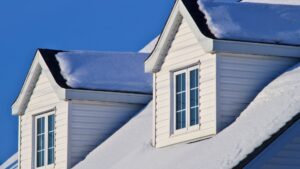
Snow Load Damage
Snow density in Michigan varies, but wet, heavy snow can weigh more than 20 pounds per cubic foot. When multiple inches (or feet) accumulate, the pressure puts tremendous stress on shingles, decking, and rafters. The more a roof is strained, the shorter lifespan becomes.
Ice Dams
Ice dams form when attic heat melts roof snow and the water refreezes at the colder roof edge. These ice formations trap melting snow, pushing water backward into shingles. Repeated ice dam cycles can reduce roof lifespan by degrading the underlayment and structure.
Freeze–Thaw Cycling
Michigan winters frequently shift above and below freezing. Water seeps into tiny cracks during the day, freezes at night, expands, and creates larger cracks. Over time, this freeze–thaw cycle reduces roof lifespan by weakening shingles, flashing, and decking.
Because winter damage is cumulative, each passing season shortens the Michigan roof lifespan unless preventive maintenance is performed regularly.
3. Summer Heat and Sun Exposure: The Silent Roof Killer
Michigan summers may not be tropical, but they bring enough heat to affect roofing materials significantly. Extended exposure to sunlight, UV rays, and heat causes shingles to dry out, curl, or crack, which gradually reduces the overall lifespan.
UV Damage
Shingles slowly lose their protective granules when exposed to UV rays. Once granules shed, shingles fail to reflect heat, accelerating their deterioration and shortening the Michigan roof lifespan.
Thermal Expansion
Roof materials expand in heat and contract when cooled. Over time, this natural movement loosens nails, warps flashing, and separates seams.
Humidity and Moisture
Summers in Michigan can be humid, and prolonged humidity contributes to mold, mildew, and wood rot. All of these factors reduce the durability of the roof structure and shorten roof lifespan.
4. Spring and Fall Storms: Sudden Damage That Adds Up
Michigan’s storm seasons bring high winds, hail, and heavy rainfall, all of which wear down roofing materials.
Wind Damage
Strong winds can:
- Lift shingles
- Break seals
- Loosen flashing
- Remove granules
Hail Damage
Even small hailstones bruise shingles, compromise waterproofing layers, and crack roofing surfaces. Hailstorms remain a major factor in reducing roof lifespan, particularly in areas closer to lakes, where storms can intensify quickly.
Heavy Rain and Moisture
Excess water weakens shingles over time, seeps under flashing, and contributes to mold. Combined with existing roof age or damage, rain accelerates the decline of roof lifespan.
5. Roofing Materials and Their Lifespan
Not all roofing materials age the same. Some perform much better in Michigan’s climate, offering a longer lifespan.
Asphalt Shingles
- Most common
- Michigan roof lifespan: 15–25 years
- Susceptible to heat, ice, and wind
Metal Roofing
- Excellent durability
- Michigan roof lifespan: 40–70 years
- Great for snow shedding
Cedar Shakes
- Beautiful but high-maintenance
- Michigan roof lifespan: 20–30 years
- Vulnerable to moisture, mold, and insects
Slate Roofing
- Extremely durable
- Michigan roof lifespan: 75–100+ years
- Expensive and requires expert installation
Choosing the right material isn’t always about longevity—your budget, home age, and neighborhood style also play a role. But the lifespan for a roof in Michigan will always be directly tied to how well the material handles the region’s extreme weather conditions.
6. Signs Your Roof Lifespan Is Ending
Regardless of the material, every roof eventually reaches the end of its life. Common signs that your roof lifespan is nearing its finish include:
- Curling or buckling shingles
- Missing shingles
- Frequent leaks
- Excessive granule loss
- Sagging rooflines
- Moss or algae growth
- Rising energy bills
- Visible daylight in the attic
When these symptoms appear, repairs may no longer be enough to extend the lifespan. At this stage, professional evaluation helps determine the best solution.
7. How Homeowners Can Extend Their Roof Lifespan
If maintained properly, roof lifespan can be stretched significantly. Here’s how:
Regular Roof Inspections
Schedule inspections annually, especially before and after winter. Many issues shortening the lifespan begin small and grow larger without being noticed.
Gutter Cleaning
Blocked gutters contribute to ice dams and moisture intrusion. Clear gutters are essential for protecting the lifespan.
Attic Ventilation and Insulation
A well-insulated, ventilated attic reduces ice dam formation and balances temperature changes—two major threats to roof lifespan.
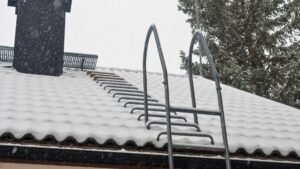
Snow Removal
Heavy snow stresses roofing material. Safe roof raking helps reduce pressure and protect the Michigan roof lifespan.
Timely Repairs
Even minor damage can lead to bigger problems. Quick repairs help extend the lifespan of a roof dramatically.
8. Professional Maintenance and Roof Lifespan
While homeowners can handle basic upkeep, professional maintenance is vital for protecting roof lifespan. Roofing experts identify issues that often remain hidden from an untrained eye.
Considering how much Michigan weather impacts roofing durability, investing in regular professional care is one of the best ways to extend the lifespan of a roof in Michigan.
Michigan Weather Never Stops—Your Roof Shouldn’t Either
The Michigan roof lifespan is affected by everything from snow and ice to storms, heat, and humidity. Michigan’s constantly changing climate ensures that every season presents new challenges for your roof, making maintenance and timely repairs essential.
Understanding how the weather impacts the Michigan roof lifespan helps homeowners plan, budget, and protect one of their most important investments: their home.