Michigan winters are known for their heavy snowfalls, freezing temperatures, and unpredictable storms. While the snowy landscape may look beautiful, the weight of snow and ice on your roof can cause serious problems. One of the most damaging and costly winter roofing issues is the formation of ice dams. If you’re searching for effective ways to prevent ice dams on your, you’re in the right place.
Ice dams not only cause leaks and water damage but can also shorten the lifespan of your roof and create hazardous icicles around your home. In this guide, we’ll explain what ice dams are, why they form, and—most importantly—how you can prevent ice damson your roof.
What Are Ice Dams?
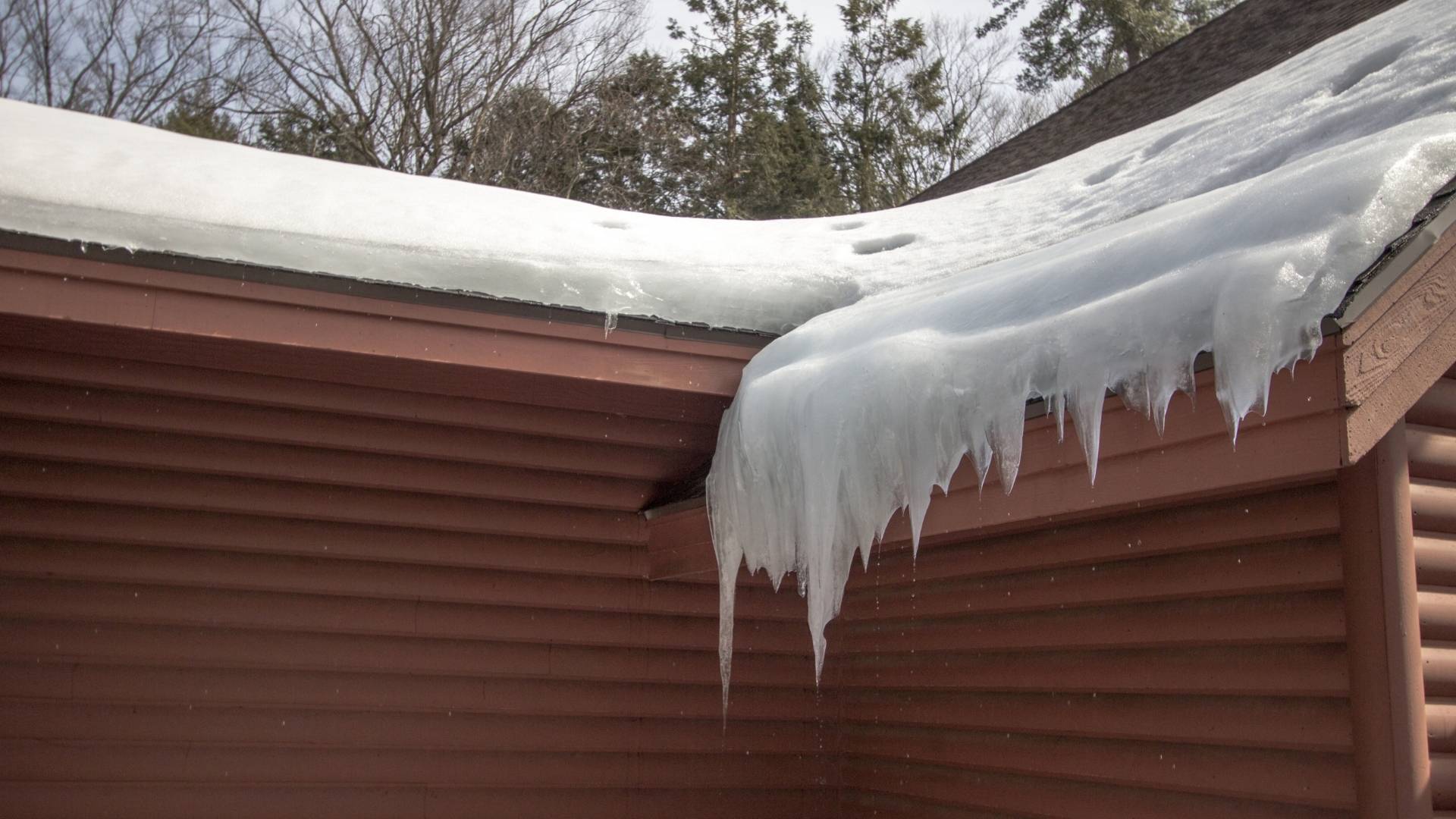
An ice dam is a ridge of ice that forms along the edge of your roof. It usually develops when heat escapes from your home into the attic, melting snow on the roof. As the melted snow runs down to the colder eaves, it refreezes, creating a dam of ice. Over time, this buildup blocks further melting snow from draining properly, forcing water to pool behind the dam.
When water pools behind an ice dam, it can seep under shingles, leak into your home, and damage walls, ceilings, insulation, and even the structural integrity of your house. That’s why so many homeowners search for the best strategies to prevent ice dams every winter.
Why Ice Dams Are a Big Problem in Michigan
Michigan’s climate makes ice dams especially common. With frequent freeze-thaw cycles, snow can melt during slightly warmer days and refreeze overnight. This cycle is the perfect recipe for ice dam formation.
The consequences of ice dams include:
- Roof Leaks: Water trapped behind the dam finds its way under shingles.
- Interior Damage: Water stains, mold growth, and insulation damage.
- Gutter Problems: Heavy ice can bend or break gutters.
- Safety Hazards: Falling icicles or chunks of ice near entryways.
The Science Behind Ice Dams
To understand how to prevent ice dams, it’s important to know why they happen in the first place. Three factors contribute:
- Heat Loss from the Home
Poor attic insulation allows warm air to rise and melt snow on the roof.
- Inadequate Ventilation
Without proper airflow, attic heat builds up, causing uneven roof temperatures.
- Snow Accumulation
The more snow that piles up, the more likely melting and refreezing will occur.
Preventing these issues requires a combination of insulation, ventilation, and roof maintenance strategies.
How to Prevent Ice Dams on Your Roof
1. Improve Attic Insulation
One of the best long-term solutions to prevent ice dams is ensuring your attic is properly insulated. Insulation keeps warm air inside your home instead of escaping through the roof.
- Use fiberglass, cellulose, or spray foam insulation.
- Check for gaps and seal them.
- Make sure insulation levels meet Michigan’s energy code standards.
2. Ensure Proper Roof Ventilation
Ventilation balances attic temperature with the outside air, preventing hot spots that cause uneven snow melt.
- Install ridge vents and soffit vents.
- Clear existing vents of obstructions.
- Aim for a continuous airflow system to regulate attic temperatures.
3. Clear Snow Safely
Snow removal can help prevent ice dams before they form. Using a roof rake with a long handle, you can carefully remove snow from the roof’s edge.
Safety Tip: Never climb onto your roof in icy conditions. Always use safe, ground-level tools or hire a professional.
4. Install Heat Cables
Heated cables (also known as heat tape) can be installed along your roofline to melt snow and keep water flowing. While not a permanent solution, they can help prevent ice dams.
5. Seal Air Leaks
Gaps around chimneys, vents, or light fixtures allow warm air into the attic. Use caulk, spray foam, or weatherstripping to seal leaks and maintain consistent temperatures.
6. Clean Gutters and Downspouts
Clogged gutters can trap melting snow, making ice dam formation worse. Regular cleaning in the fall helps ensure proper water drainage when snow begins to melt.
7. Schedule Professional Roof Inspections
A roofing professional can spot weaknesses before they lead to ice dam issues. They’ll check your shingles, flashing, gutters, and insulation to recommend the best ways to prevent ice dams.
DIY Solutions vs. Professional Help
While some homeowners tackle ice dam prevention with DIY strategies like snow raking or heat cables, many solutions require professional expertise. A roofing contractor can evaluate your attic ventilation, insulation levels, and roofing system to ensure long-term results.
Trying to fix these issues without training can put your safety at risk and may not fully resolve the root problem. For reliable results, it’s often best to call a professional who understands how to prevent ice dams.
Long-Term Roofing Solutions
Some Michigan homeowners invest in more permanent solutions:
- Metal Roofing: Snow slides off metal roofs more easily, reducing ice dam risk.
- Ice and Water Shield Membrane: Installed under shingles, this adds an extra layer of protection.
- Roof Replacement: If your roof is aging, upgrading can help prevent future problems.
These options may cost more upfront, but they significantly reduce the likelihood of recurring ice dam damage.
Conclusion
Ice dams are one of the most frustrating problems Michigan homeowners deal with during winter. The good news is that they can be prevented with proper attic insulation, ventilation, roof maintenance, and professional inspections.
If you’re serious about learning how to prevent ice dams, don’t wait until it’s too late. A little preparation now can save you thousands of dollars in repairs later.